




The psychology behind risk-taking in gambling behavior
The allure of risk in gambling
The thrill of gambling often comes from the inherent risks involved. Individuals are drawn to the potential for big wins, which can create a rush of adrenaline. This excitement is not merely about the monetary reward; it taps into the psychological need for stimulation. Risk-taking is often associated with feelings of empowerment and control, especially when players believe they can influence outcomes through strategy. The unpredictability of gambling adds an element of suspense, making each bet feel like an exhilarating gamble, reinforcing the cycle of risk and reward. At betflare-online.net, players can explore countless opportunities to experience this thrill firsthand.
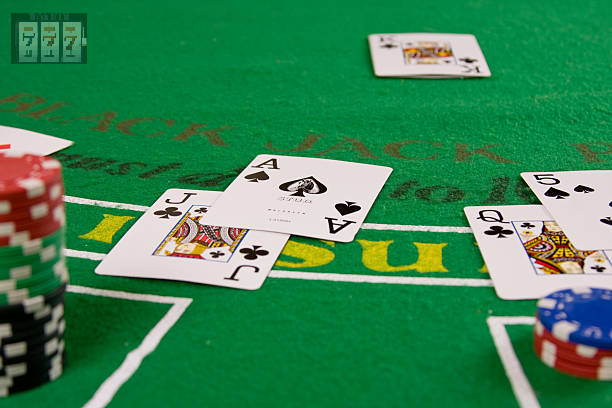
This allure is further amplified by societal narratives that glorify big wins. Stories of individuals who struck it rich in casinos or through online platforms circulate widely, creating a perception that anyone can experience similar success. This can lead to a cognitive bias where individuals overestimate their chances of winning, encouraging them to take greater risks. The potential for dramatic wins becomes a compelling narrative that drives many to engage more deeply in gambling activities, often at the expense of rational decision-making.
The excitement derived from risk-taking isn’t limited to the chance of winning money; it encompasses the emotional rollercoaster of the gambling experience. Players can feel euphoric when they win, which reinforces their behavior and motivates them to gamble more. Conversely, the disappointment that comes with loss can intensify the desire to reclaim lost funds, leading to further risk-taking. This emotional cycle plays a crucial role in the psychology of gamblers, often leading them to make irrational decisions fueled by hope and desperation.
Numerous psychological factors influence why individuals engage in gambling activities. One significant factor is the concept of loss aversion, which suggests that people are more motivated to avoid losses than to pursue equivalent gains. In gambling, the fear of losing money can sometimes compel players to wager more in an attempt to recover what they have lost. This behavior highlights a paradox in gambling psychology, where the threat of loss prompts even greater risk-taking.
Another important psychological element is the role of cognitive distortions, particularly the illusion of control. Many gamblers believe they can control the outcomes of random events, such as the roll of dice or the spin of a roulette wheel. This false sense of control encourages further risk-taking, as players feel empowered to influence their success. By believing they have a skill that can affect the outcome, gamblers often ignore statistical realities, which can lead to an increase in their overall gambling behavior.
Furthermore, social influences can play a substantial role in gambling behavior. Peer pressure, social norms, and the desire for social acceptance can motivate individuals to engage in gambling. For instance, in social settings where gambling is normalized, people may feel compelled to participate, viewing it as a rite of passage or a social bonding activity. This collective behavior can lead to increased risk-taking, as individuals may be more inclined to take chances in a group, driven by the shared excitement and the perception that everyone is participating.
The psychological principles of reinforcement play a crucial role in gambling behavior. When players win, the immediate reward reinforces their behavior, creating a strong association between gambling and positive outcomes. This reinforcement leads to a desire to repeat the behavior, often causing individuals to return to gambling despite previous losses. The anticipation of winning, coupled with the pleasurable feelings associated with gambling, makes it challenging for individuals to resist the allure of risk.
The concept of intermittent reinforcement, where rewards are given sporadically rather than consistently, is particularly powerful in gambling. This unpredictability keeps players engaged, as they never know when they might hit a jackpot or receive a substantial reward. This element of surprise reinforces the behavior, making it addictive. Players may continue to gamble, driven by the belief that a big win is just around the corner, leading them to take risks they might otherwise avoid.
Moreover, casinos and online gambling platforms often use various techniques to enhance the reward experience, such as flashy lights and sounds, free spins, and bonus games. These features are designed to create a sensory-rich environment that heightens excitement and encourages extended play. By stimulating players’ senses, these elements enhance the thrill of risk-taking, often leading to increased betting and a deeper commitment to gambling activities. This deliberate design highlights the psychological manipulation at play in gambling environments, further encouraging risk-taking behavior.
While the allure of gambling may be enticing, the consequences of excessive risk-taking can be severe. Many individuals find themselves caught in a cycle of gambling addiction, leading to significant financial distress. The desire to chase losses can result in escalating bets and larger risks, ultimately exacerbating the financial burden. This cycle often leads to emotional turmoil, affecting personal relationships and overall mental well-being.
Additionally, the impact of gambling addiction extends beyond individual players to their families and communities. Relationships can suffer as individuals prioritize gambling over responsibilities, leading to feelings of betrayal and mistrust. Families may face financial hardships, and the social fabric of communities can fray as gambling becomes a pervasive issue. As such, the consequences of risk-taking in gambling extend far beyond the individual, creating a ripple effect that can damage social cohesion and mental health.
Furthermore, understanding the psychological aspects of risk-taking in gambling can help in the development of effective interventions and support systems. By recognizing the factors that contribute to excessive gambling behavior, society can better equip individuals with the tools needed to make informed decisions. Initiatives focused on education, support, and early intervention can play a vital role in mitigating the negative impacts of gambling addiction, emphasizing the importance of responsible gambling practices.

Betflare Casino is at the forefront of providing an engaging online gambling experience that appeals to risk-takers and thrill-seekers alike. With over 7,500 diverse games, including slots, table games, and live dealer experiences, Betflare offers an immersive environment that mirrors the excitement of a real casino. Players can explore a world of opportunities while benefiting from state-of-the-art security measures that ensure a safe gaming experience.
New users at Betflare can take advantage of generous bonuses, including a 250% welcome package and 300 free spins, which provide ample opportunities for players to engage without immediate financial pressure. This inviting approach encourages responsible gambling by allowing players to experience the thrill of risk without the burden of excessive costs. The platform also offers 24/7 customer support, ensuring that players receive assistance whenever they need it, further enhancing the overall experience.
In conclusion, Betflare Casino embodies the essence of exhilarating online gaming while promoting a balanced approach to risk-taking. By providing a diverse selection of games and robust support, it fosters a community of responsible gamblers who seek to enjoy the excitement of gambling while being mindful of their choices. Join today and experience the excitement of Betflare Casino, where thrilling opportunities await!
“`